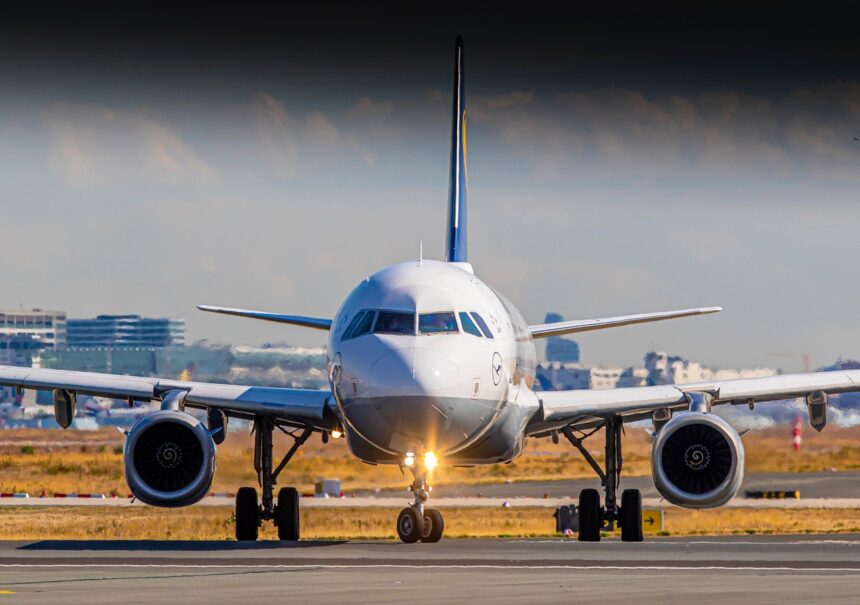
On May 27, 2025, United Airlines Flight UA770 Emergency Diversion, operating a Boeing 787-9, encountered a mid-air emergency that necessitated a diversion. Originally scheduled on a transatlantic flight from Barcelona to Chicago, the aircraft issued the emergency “squawk 7700” and diverted to London Heathrow Airport (LHR). This unexpected event left passengers and crew facing an unplanned landing in the U.K. a decision prompted by technical anomalies and executed with precision.
The Trigger: Why Did UA770 Divert?
Early indications suggest that the aircraft experienced a cabin pressurization anomaly or related technical issue. The onboard monitoring systems triggered an alarm, prompting the flight crew to issue the emergency squawk and evaluate safe diversion options. While precise details remain under investigation, the swift response underscores the effectiveness of modern aircraft diagnostics and pilot training.
Why Heathrow Was Chosen
Heathrow offered the ideal mix of capabilities and proximity:
- A major international hub with advanced emergency services, capable of accommodating wide-body aircraft.
- Robust infrastructure to support technical inspection, maintenance teams, and passenger care.
- Close enough to the aircraft’s position over Western Europe to minimize flight time during an emergency diversion.
The aircraft landed safely on runway 27R and was guided to gate B44, where emergency and ground crews awaited.
Crew and Passenger Response
The flight crew acted with calm professionalism. Cabin announcements reassured passengers about the situation, offering clear and consistent updates throughout the descent and landing. After touchdown, the cabin atmosphere shifted from tension to collective relief. Eyewitness accounts highlight the crew’s effectiveness in managing passenger anxiety and maintaining composure in a high-stress scenario.
United Airlines’ Operational and Passenger Support
Once on the ground, United Airlines activated standard emergency protocols:
- Immediate assistance for passengers experiencing travel disruption.
- Provision of meal vouchers, accommodations, and rebooking support—especially vital given visa and international requirements.
- Technical teams conducted thorough inspections of the aircraft to assess and address the emerging technical issue. United released public reassurance emphasizing safety as the top priority and expressed gratitude toward the crew’s handling of the incident.
Broader Implications for Aviation Safety
The UA770 incident highlights several key features of modern commercial aviation:
- Redundant Safety Systems
Real-time health monitoring and diagnostic systems alerted the crew to a developing issue early, enabling a timely emergency response. - Trained Crew and Clear Protocols
Flight crews receive rigorous emergency training. Their ability to manage unpredictable situations and communicate effectively is a critical safety asset. - Infrastructure Readiness
Having major hubs like Heathrow within reach during transatlantic flights ensures diversions can be handled safely with ample ground support.
Lessons Learned
- Diversions are often preemptive. They are not failures but necessary actions to prioritize safety.
- Communication is key. Timely, calm updates from crew help maintain cabin order and reduce passenger stress.
- Continuous improvements matter. Incidents like UA770 reinforce the importance of investing in training, technology, and global infrastructure.
- Passenger preparedness matters. Listening to safety briefings and following instructions can make a difference during emergencies.
Conclusion
The United Airlines Flight UA770 emergency diversion on May 27, 2025 offers a clear demonstration of how aviation systems effectively manage tense, unpredictable situations. From cockpit protocol to crew communication and robust ground infrastructure, each element contributed to a successful outcome. This incident becomes less about the emergency itself and more about how safety systems and human expertise ensure resilience, even amid crisis.