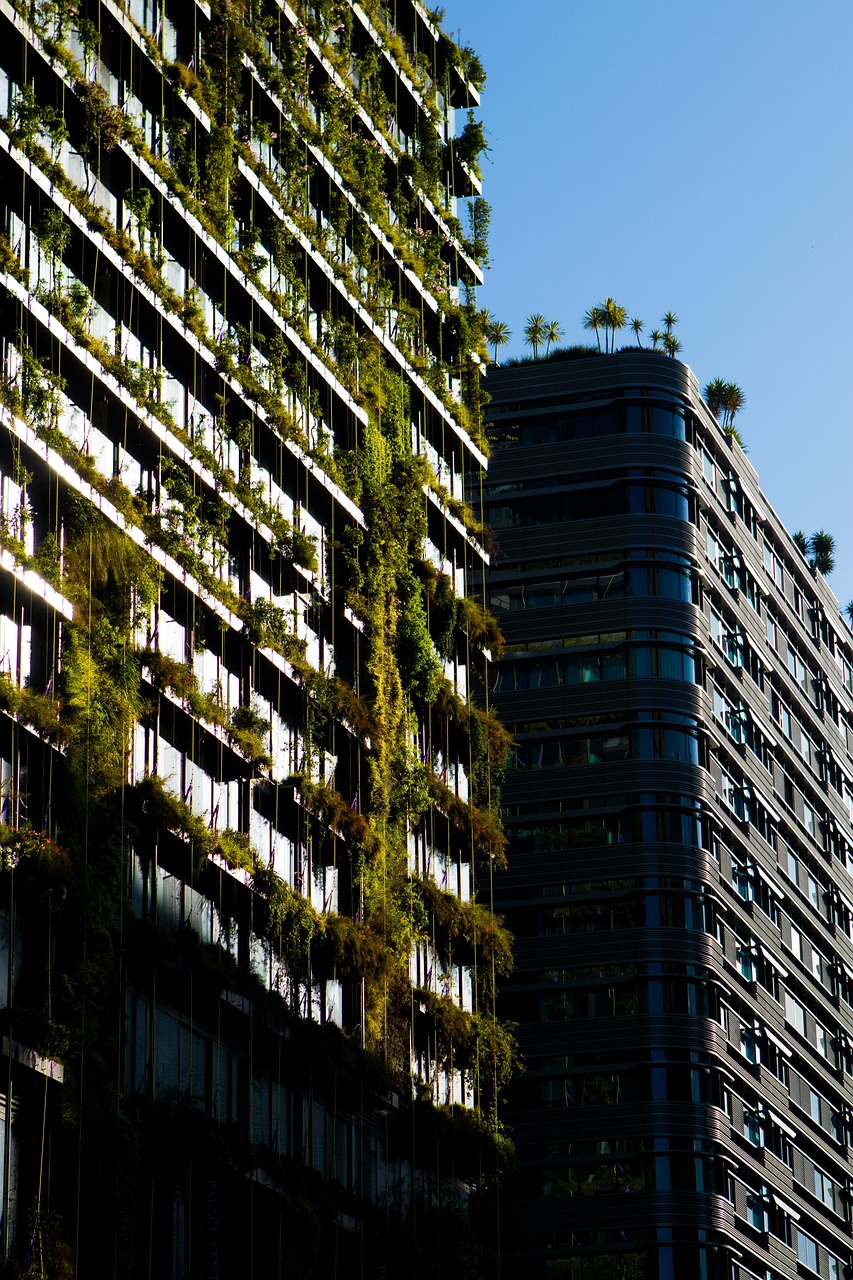
Urban areas are evolving rapidly, and with the pressing need for sustainability, innovation, and efficiency, the concept of Axurbain has emerged as a forward-thinking solution. Unlike traditional urban development is built around the principles of smart technology, eco-conscious infrastructure, and community well-being. But what exactly does this term mean, and why is it gaining momentum?
What is Axurbain?
At its core, Axurbain represents a new model of urban living that blends advanced technology with sustainable design. The idea focuses on reimagining cities to be greener, smarter, and more livable. It’s not just about constructing buildings but about creating entire ecosystems where residents, businesses, and nature coexist harmoniously.
Origin and Concept Behind Axurbain
The concept of Axur bain has its roots in smart city planning and sustainable urbanism. As global urban populations rise, governments and architects are rethinking how to design cities that can withstand environmental challenges while improving quality of life is essentially a blueprint for the future of cities.
Key Features of Axurbain
Smart City Integration
Axurbain cities are powered by Internet of Things (IoT) technologies that allow efficient management of traffic, energy, and public services. Real-time data collection ensures smooth operation and proactive problem-solving.
Eco-Friendly Infrastructure
From green roofs to solar-powered buildings prioritizes sustainability. Construction materials are sourced responsibly, and waste is minimized to reduce the carbon footprint.
Mobility and Transportation Solutions
Public transportation, cycling lanes, and electric vehicle networks are central to Axurbain’s design. The goal is to reduce car dependency while improving mobility efficiency.
Community-Centered Design
Unlike traditional urban models, Axur bain emphasizes shared spaces, green parks, and cultural hubs that foster social interaction and inclusivity.
Benefits of Axurbain in Modern Cities
Environmental Impact
Axurbain minimizes pollution through renewable energy use, green architecture, and efficient waste management. Cities adopting this model significantly lower their carbon emissions.
Economic Growth and Job Creation
With new technology and infrastructure fosters innovation and creates job opportunities in construction, technology, and green energy sectors.
Enhancing Quality of Life
Residents of Axurbain cities enjoy cleaner air, safer streets, and better access to services, leading to higher happiness and well-being.
Axurbain vs Traditional Urban Development
Differences in Design Approach
Traditional urban planning often prioritizes expansion over sustainability flips this by placing eco-conscious design and technology first.
Long-Term Sustainability
While older cities face rising costs due to outdated infrastructure, Axurbain’s future-ready model ensures longevity and cost-effectiveness.
Real-World Applications of Axurbain
Residential Spaces
Homes in Axur bain developments are energy-efficient, tech-enabled, and designed for community living.
Commercial and Business Districts
Offices and commercial centers benefit from smart energy management and eco-friendly workspaces.
Public Spaces and Green Areas
Parks, recreational zones, and green corridors are integral, ensuring balance between urbanization and nature.
Challenges and Criticisms of Axurbain
Cost and Implementation
One of the main criticisms of Axurbain is the high initial investment required for technology and sustainable infrastructure.
Balancing Technology with Human Needs
While technology improves efficiency, some argue that an over-reliance on AI and IoT may reduce the human touch in communities.
The Role of Technology in Axurbain
IoT and Smart Infrastructure
From smart grids to AI traffic management, technology is the backbone of Axurbain cities.
Renewable Energy Integration
Solar panels, wind turbines, and energy storage systems help reduce dependency on fossil fuels.
Case Studies and Examples
European Cities Embracing Axurbain Concepts
Cities like Copenhagen and Amsterdam already incorporate Axurbain principles through cycling networks, eco-buildings, and data-driven governance.
Lessons from Asian Smart Cities
Singapore and Seoul provide examples of technology-driven urban living, showcasing the global adaptability of Axurbain.
The Future of Axurbain
Predictions for the Next Decade
Experts predict that by 2035, a significant percentage of urban development will follow Axu rbain principles.
Global Adoption Potential
Developing nations, facing rapid urbanization, may benefit most from adopting Axur bain early.
Conclusion
The concept of Axurbain represents a paradigm shift in urban living, blending technology, sustainability, and human-centric design. As cities worldwide face challenges of climate change, overpopulation, and resource scarcity offers a visionary solution for building resilient and livable cities. By focusing on eco-friendly infrastructure, smart technology, and community well-being has the potential to reshape the future of urban development for generations to come.