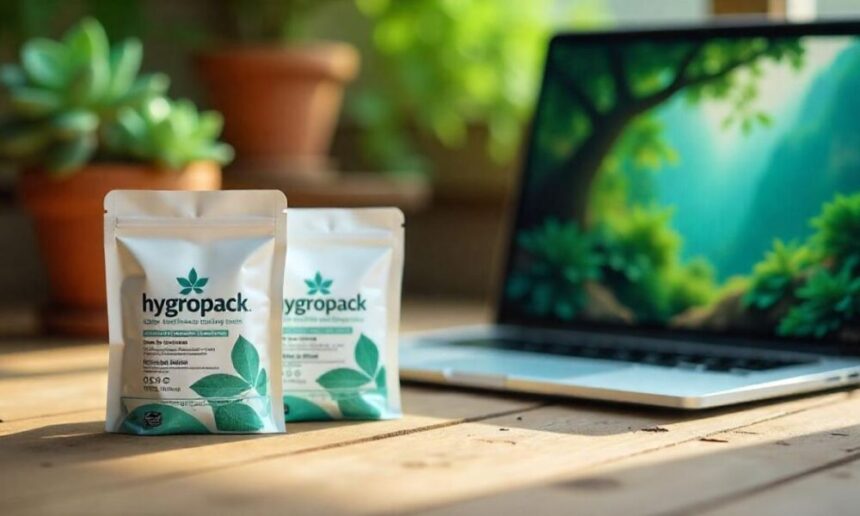
In industries ranging from pharmaceuticals and food to electronics and textiles, one of the most persistent threats to product quality is moisture. Excess humidity can damage products, reduce their shelf life, and even cause safety hazards. This is where hygropack technology plays a critical role. A hygropack is essentially a specially designed moisture absorber that regulates humidity levels and protects sensitive goods from the harmful effects of excess moisture.
In this comprehensive article, we will explore what a hygropack is, how it works, its applications, benefits, and why businesses across the globe are increasingly relying on this innovative solution for quality assurance.
What is a Hygropack?
A hygropack is a packaging innovation designed to absorb and regulate moisture levels inside a container or packaging environment. Unlike traditional silica gel packets that simply absorb moisture until saturation, hygropacks are engineered to maintain relative humidity within a defined range. This makes them ideal for industries where maintaining specific humidity levels is crucial.
Typically, hygropacks are made using natural desiccants such as clay, silica gel, or other moisture-absorbing compounds sealed inside a breathable yet durable pouch. They come in various sizes and capacities depending on the application.
How Does a Hygropack Work?
The working principle of a hygropack is relatively simple yet highly effective:
- Absorption of Excess Moisture
When the relative humidity (RH) inside packaging rises above a certain level, the hygropack absorbs the excess moisture. - Release of Moisture if Too Dry
Advanced hygropacks are designed to release stored moisture if the environment becomes too dry. This ensures a balanced and stable humidity. - Continuous Humidity Regulation
Instead of one-time absorption, hygropacks provide ongoing protection for the duration of storage or shipment, making them superior to conventional desiccants.
This humidity regulation is crucial for sensitive items such as medicines, food products, electronics, and leather goods, where both excess dryness and excess moisture can cause degradation.
Why Moisture Control is Important
Moisture can cause numerous problems across industries:
- Pharmaceuticals: Exposure to humidity can degrade medicines, reduce potency, and compromise patient safety.
- Food Products: Excess moisture can lead to mold growth, spoilage, and loss of taste or texture.
- Electronics: Condensation can cause short circuits, corrosion, and irreparable damage to electronic components.
- Leather and Textiles: High humidity leads to mold, mildew, and odor, reducing product quality.
- Packaging & Logistics: During shipping, goods travel through different climates, making them prone to moisture damage.
By using hygropacks, businesses can ensure that their products remain safe, effective, and in optimal condition until they reach end-users.
Key Features of a Hygropack
- Moisture Absorption and Release
Unlike traditional desiccants, hygropacks maintain a specific RH range, typically around 40–60%, ideal for many sensitive products. - Non-toxic and Safe
Most hygropacks are made from non-toxic and eco-friendly materials, making them safe for use in pharmaceuticals and food packaging. - Cost-Effective
By preventing spoilage and product recalls, hygropacks reduce waste and protect profit margins. - Long-Lasting Protection
Depending on the product and environment, a single hygropack can last weeks to months, providing extended protection. - Customizable Sizes
Available in different capacities (1g to 500g or more), hygropacks can be tailored for small pill bottles, shipping containers, or even industrial storage.
Applications of Hygropacks
1. Pharmaceutical Industry
Medicines, capsules, and medical devices are highly sensitive to humidity. Hygropacks protect their potency, safety, and shelf life, ensuring patients receive effective treatment.
2. Food and Beverages
From packaged snacks to coffee and tea, hygropacks prevent spoilage, mold growth, and texture changes caused by humidity.
3. Electronics and Semiconductors
Electronic devices and components are extremely vulnerable to corrosion. Hygropacks provide a dry environment to prevent costly damages during storage and shipment.
4. Textiles and Leather
Luxury goods like leather bags, shoes, and clothing require strict moisture control to avoid mildew and unpleasant odors. Hygropacks are widely used by luxury brands.
5. Logistics and Shipping
Shipping containers often travel across different climates, humid ports, dry deserts, or cold seas. Hygropacks regulate moisture inside packaging, preventing container rain (condensation on container walls).
6. Aerospace and Defense
Sensitive equipment used in aerospace and defense requires flawless performance. Hygropacks provide moisture control to ensure reliability in extreme conditions.
Benefits of Using Hygropacks
- Preserves Quality: Protects products from spoilage, degradation, or malfunction.
- Extends Shelf Life: Especially critical for food and medicines.
- Reduces Costs: Prevents financial losses from damaged goods.
- Improves Customer Satisfaction: Ensures customers receive high-quality, safe products.
- Supports Compliance: Helps businesses comply with industry regulations, especially in pharmaceuticals and food.
- Eco-Friendly: Many hygropacks are made using natural materials and are biodegradable.
Hygropack vs Traditional Desiccants
| Feature | Hygropack | Traditional Desiccants (Silica Gel, Clay) |
| Moisture Absorption | Absorbs & releases moisture | Only absorbs until saturation |
| Humidity Regulation | Maintains optimal RH | No regulation (can overdry products) |
| Applications | Food, pharma, electronics | General use only |
| Longevity | Long-lasting protection | Shorter lifespan |
| Eco-Friendliness | Often biodegradable | Depends on type |
Clearly, hygropacks provide superior moisture regulation compared to conventional options.
Future of Hygropack Technology
With industries focusing more on sustainability, quality assurance, and supply chain resilience, the demand for hygropacks is expected to grow significantly. Future innovations may include:
- Smart Hygropacks with sensors to monitor and report real-time humidity levels.
- Biodegradable Materials for completely eco-friendly solutions.
- Custom Formulations designed for specific industries such as pharmaceuticals, electronics, or luxury goods.
As global trade and e-commerce continue to expand, the need for reliable moisture control will only increase, positioning hygropacks as a critical tool in modern packaging.
Conclusion
In today’s competitive market, businesses cannot afford product damage, spoilage, or reduced quality due to moisture. Hygropacks provide an advanced, reliable, and eco-friendly solution to this problem. Unlike traditional desiccants, they don’t just absorb moisture but actively regulate humidity, ensuring that sensitive products like food, pharmaceuticals, electronics, and luxury goods remain safe and effective throughout their shelf life.
From reducing costs and waste to enhancing customer satisfaction and compliance, hydropacks deliver value across multiple industries. As technology advances, they are poised to become an even more essential component of global supply chains.