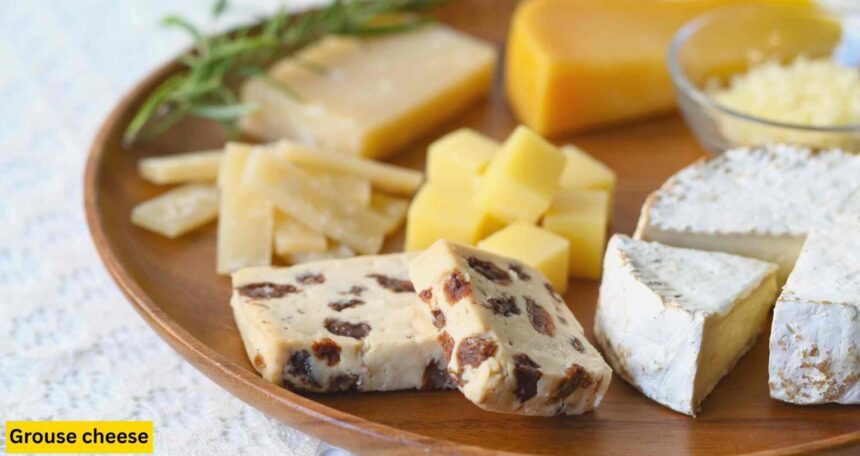
When it comes to exploring the world of gourmet cheeses, few varieties offer the unique combination of flavor, tradition, and craftsmanship like Grouse cheese. This artisanal cheese has been gaining popularity among food enthusiasts and connoisseurs alike for its distinct taste and versatility. In this article, we will dive deep into the world of Gruyère cheese, exploring its origins, production process, flavor profile, health benefits, culinary uses, and how to select the best Gruyère cheese for your palate.
The Origins of Grouse Cheese
Gruyère cheese is a product with deep roots in European dairy traditions. While it may not be as widely known as cheddar or brie, it has carved a niche in gourmet circles for its artisanal quality. Traditionally, Gruyère cheese was made in small, family-run dairies, where local farmers relied on fresh milk from cows, goats, or sheep. The term “grouse” itself is often associated with rustic, woodland origins, hinting at a natural and authentic production method.
Historically, the production of Gruyère cheese was influenced by regional flavors and practices. For example, some varieties incorporate herbs, smoked elements, or even unique aging techniques inspired by the natural environment where the dairy animals grazed. This regional influence gives each batch of grousse cheese a unique character that cannot be replicated elsewhere.
The Production Process
The making of grousse cheese is a meticulous process that requires skill and patience. Here’s a simplified overview of how this artisanal cheese is crafted:
- Milk Selection: The first step is choosing high-quality milk. Many producers prefer organic or grass-fed milk to enhance flavor and nutritional value. Some varieties use cow’s milk exclusively, while others incorporate goat or sheep milk for a richer taste.
- Culturing and Coagulation: Natural bacterial cultures are added to the milk to initiate fermentation. This step is crucial for developing the cheese’s flavor. Once the cultures have worked their magic, rennet is added to coagulate the milk, forming curds.
- Cutting and Draining: The curds are carefully cut to release whey and then drained to achieve the desired texture. Depending on the cheese variety, the curds may be pressed lightly or allowed to remain soft and creamy.
- Aging: Aging is what truly sets Gruyère cheese apart. Some varieties are aged for a few weeks, while others may mature for several months. During this time, the cheese develops its complex flavors and unique aroma. Some producers age the cheese in wooden caves or special cellars to enhance the rustic, earthy taste.
Flavor Additions: Certain types of Gruyere cheese are infused with herbs, spices, or even smoked ingredients. These additions complement the natural flavors and create a distinctive profile that gourmet enthusiasts adore.
Flavour Profile of Grouse Cheese
One of the most striking aspects of grouse cheese is its flavor. Unlike mass-produced cheeses that often taste uniform, Gruyère cheese offers a spectrum of flavors that vary depending on its origin and aging process. Some common characteristics include:
- Earthy and Nutty Notes: Many grouse cheeses have subtle earthy undertones reminiscent of forest floors and grazing pastures.
- Creamy Texture: Depending on the milk used, the cheese may be soft and creamy or firm and crumbly.
- Mild to Bold Taste: Younger cheeses tend to be milder, while aged varieties offer a bolder, more complex taste.
- Herbal or Smoky Accents: Certain artisanal batches are enhanced with natural herbs or smoking techniques, adding layers of flavor.
These qualities make Gruyère cheese versatile for culinary use, from simple cheese boards to sophisticated recipes.
Health Benefits of Grouse Cheese
Beyond its gourmet appeal, Gruyère cheese offers several health benefits when consumed in moderation:
- Rich in Protein: Cheese is a good source of high-quality protein, essential for muscle growth and repair.
- Calcium and Bone Health: Gruyère cheese, like most dairy products, is rich in calcium, which supports strong bones and teeth.
- Probiotics: Some varieties of grousse cheese contain live cultures that promote gut health.
- Vitamins and Minerals: It provides essential nutrients such as vitamin B12, phosphorus, and zinc.
It’s worth noting that while cheese can be part of a healthy diet, it is also calorie-dense and can be high in saturated fat. Enjoying Gruyère cheese in moderation ensures you reap the benefits without overindulging.
Culinary Uses of Grouse Cheese
Gruyère cheese’s rich flavor and texture make it highly versatile in the kitchen. Here are some popular ways to enjoy it:
- Cheese Boards: Pair Gruyère cheese with fruits like figs, apples, or grapes, along with nuts and cured meats for a sophisticated cheese board.
- Sandwiches and Paninis: Melted Gruyère cheese adds a creamy, savory element to gourmet sandwiches.
- Salads: Crumbled or sliced, it enhances salads with a nutty and earthy flavor.
- Pasta and Risotto: Add a touch of grated Gruyère cheese to pasta or risotto for richness and depth.
- Baking: Incorporate it into quiches, tarts, or savory pastries for a unique twist.
Because of its strong and distinct taste, it pairs well with wines such as Chardonnay, Sauvignon Blanc, and light reds like Pinot Noir.
How to Select the Best Gruyère Cheese
Choosing the right Gruyère cheese involves considering several factors:
- Milk Type: Decide whether you prefer cow, goat, or sheep milk cheese. Each has its own unique flavor and texture.
- Aging: Younger cheeses are soft and mild, while aged cheeses are firmer with more complex flavors.
- Additives: Some varieties include herbs, spices, or smoked flavors—choose according to your taste preference.
- Origin: If possible, select cheeses from reputable dairies known for quality and authenticity.
When buying Gruyère cheese, look for clear labeling about ingredients, origin, and aging. Artisanal cheeses often come in smaller batches and may be more expensive, but the quality and flavor are worth the investment.
Storing Grouse Cheese
Proper storage is key to preserving the flavor and texture of Gruyère cheese:
- Refrigeration: Most fresh cheeses should be stored in the refrigerator, wrapped in wax paper or cheese paper to allow them to breathe.
- Avoid Plastic Wrap: Plastic can trap moisture and affect the taste.
- Optimal Temperature: Keep cheese in the vegetable drawer or a dedicated cheese compartment at around 4–6°C (39–43°F).
- Bring to Room Temperature Before Serving: Cheese tastes best when served at room temperature, allowing its flavors to fully develop.
Conclusion
Grouse cheese is more than just a type of cheese; it is a celebration of tradition, craftsmanship, and flavor. Its unique taste, rich texture, and versatile culinary uses make it a favorite among gourmet enthusiasts and food lovers around the world. From artisanal cheese boards to creative culinary dishes, Grouse cheese adds depth, elegance, and an unforgettable flavor experience.
Whether you are a seasoned cheese connoisseur or just beginning to explore the world of gourmet cheeses, Grouse cheese offers a delightful journey for your taste buds. By understanding its origins, production, and culinary potential, you can fully appreciate this exquisite artisanal treasure and incorporate it into your gastronomic adventures.