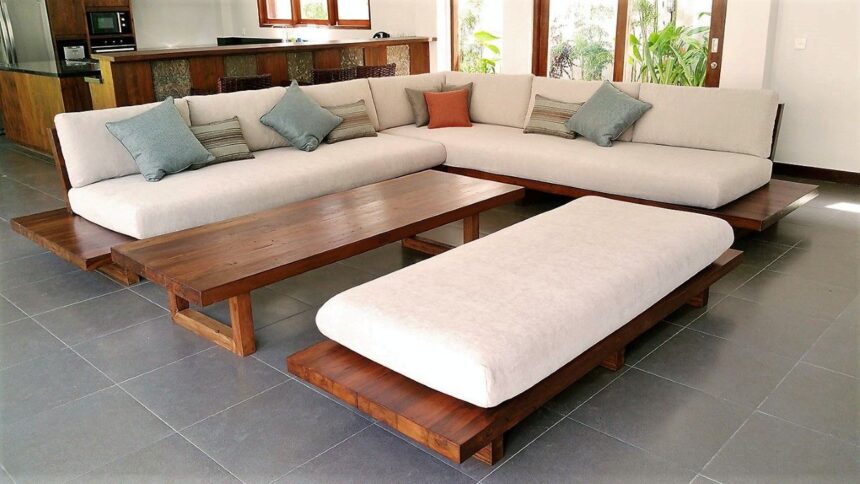
A Japanese sofa is more than just a piece of furniture; it is a reflection of a lifestyle rooted in simplicity, balance, and thoughtful living. As modern homes continue to favor clean lines and clutter-free spaces, this unique seating option has gained global popularity. Inspired by traditional Japanese floor seating and enhanced with contemporary comfort, Japanese sofas offer a calm, elegant alternative to bulky Western couches.
- Understanding the Philosophy Behind Japanese Seating
- What Makes a Japanese Sofa Unique
- Popular Types of Japanese Sofas
- Benefits of Choosing a Japanese Sofa
- How a Japanese Sofa Fits Modern Interior Design
- Materials, Fabrics, and Sustainability
- How to Choose the Right Japanese Sofa
- Care and Maintenance Tips
- Frequently Asked Questions
- Conclusion
In this article, we’ll explore the philosophy, design, benefits, and practical considerations of Japanese sofas, helping you decide whether this refined seating style is right for your home.
Understanding the Philosophy Behind Japanese Seating
Cultural Roots of Floor-Level Living
Traditional Japanese homes were designed around floor-based living. Tatami mats, futons, and low tables encouraged people to stay closer to the ground. This lifestyle promoted flexibility, easy movement, and a strong connection to the living space. Seating was meant to be adaptable rather than permanent.
This philosophy still influences modern Japanese furniture design, including sofas that sit much lower than their Western counterparts.
Minimalism and Mindful Design
Japanese design values ma—the concept of negative space. Furniture is intentionally understated, allowing the room to breathe. A Japanese sofa embodies this idea by offering comfort without visual heaviness. Every detail serves a purpose, and nothing is excessive.
What Makes a Japanese Sofa Unique
Low-Profile Structure
One of the most noticeable features is its low height. The seat is often closer to the floor, creating a grounded and relaxed seating posture. This design visually enlarges a room by keeping sightlines open.
Natural Materials and Craftsmanship
Japanese sofas often feature solid wood frames, cotton or linen upholstery, and neutral tones. Craftsmanship is precise, focusing on durability and tactile comfort rather than flashy details.
Space-Saving Functionality
Many designs are modular or foldable, allowing the sofa to double as a lounger or even a sleeping surface. This flexibility is ideal for compact living environments.
Popular Types of Japanese Sofas
Futon-Style Sofas
Inspired by traditional futons, these sofas can be folded flat to serve as a bed. They are practical, lightweight, and easy to store.
Modular and Foldable Designs
These sofas can be rearranged or collapsed depending on need. Some models allow you to remove backrests or armrests entirely, adapting the sofa to different activities.
Tatami-Compatible Sofas
Designed to sit harmoniously on tatami mats, these sofas use materials and proportions that respect traditional Japanese interiors.
Benefits of Choosing a Japanese Sofa
Health and Posture Advantages
Sitting closer to the floor encourages better posture and core engagement. Many people find that this seating style reduces back strain when used correctly.
Aesthetic Versatility
The understated design pairs well with various interior styles, from ultra-modern to rustic. It complements wood floors, neutral palettes, and natural light beautifully.
Ideal for Small Living Spaces
For apartments or studio homes, a Japanese sofa maximizes usable space. Its compact form makes rooms feel open rather than crowded.
How a Japanese Sofa Fits Modern Interior Design
Japandi and Scandinavian Fusion
The Japandi style—a blend of Japanese minimalism and Scandinavian warmth—has become a global trend. A Japanese sofa fits perfectly into this aesthetic with its clean lines and cozy materials.
Urban Apartments and Studios
In cities where space is limited, furniture must be functional and flexible. Japanese sofas meet both needs while maintaining visual elegance.
Materials, Fabrics, and Sustainability
Eco-Friendly Wood and Fabrics
Sustainability is a core value in Japanese craftsmanship. Many sofas use responsibly sourced wood and natural fabrics that are biodegradable and breathable.
Durability and Longevity
Rather than focusing on fast trends, Japanese furniture emphasizes long-term use. High-quality joinery and sturdy materials ensure the sofa ages gracefully over time.
For more insights into sustainable furniture design, you can explore resources from the Japan Furniture Industry Association.
How to Choose the Right Japanese Sofa
Room Size and Layout
Measure your space carefully. Low-profile sofas work best when there is enough open floor area to balance the room visually.
Comfort vs. Style Balance
While aesthetics are important, test cushion firmness and back support. Some designs are firmer than Western sofas, which may take time to adjust to.
Care and Maintenance Tips
- Vacuum fabric regularly to prevent dust buildup
- Rotate cushions to maintain even wear
- Use breathable covers to protect natural fabrics
- Avoid prolonged exposure to direct sunlight
With proper care, a Japanese sofa can remain beautiful and functional for many years.
Frequently Asked Questions
1. Is a Japanese sofa comfortable for daily use?
Yes, especially for those who prefer firm support and mindful sitting habits.
2. Can a Japanese sofa replace a bed?
Many futon-style designs can double as a sleeping surface for guests.
3. Is it suitable for elderly users?
Low seating may be challenging for some individuals, so personal comfort should be considered.
4. Does it work in Western-style homes?
Absolutely. Its minimalist design blends easily with modern Western interiors.
5. Are Japanese sofas expensive?
Prices vary, but quality craftsmanship often means better long-term value.
6. How long does a Japanese sofa last?
With proper care, it can last decades due to durable materials and construction.
Conclusion
A Japanese sofa represents a thoughtful approach to living—one that values simplicity, flexibility, and harmony with space. By combining traditional Japanese principles with modern comfort, it offers a seating solution that is both practical and visually calming. Whether you live in a small apartment or a spacious modern home, this elegant furniture style can transform how you experience your living space.